
How to Identify Who Owns Cass County Land
The chain is simple. It runs from address to parcel number, then to the assessment owner, and finally to the recorded deed, with each step answering one question and supplying the key to the next source.
- Search BS&A Online by address and capture the parcel number.
- Read the assessment owner label and distinguish mailing from situs address.
- Search the latest grantee in the Keystone deed portal.
- For a business owner, consult Michigan's MiBusiness Registry.
The Exact Cass Assessment Owner Field
Cass County assessment notices label the owner field OWNER'S NAME & ADDRESS/PERSON NAMED ON ASSESSMENT ROLL. That wording is deliberate. It identifies the person or entity carried on the roll for assessment, which may not be an occupant and is not a title opinion. Assessors here work by tax unit. Roll questions go to that unit's assessor. The county's official parcel service also separates owner name, mailing address, situs, legal description, PID, sale data, and deed book and page.
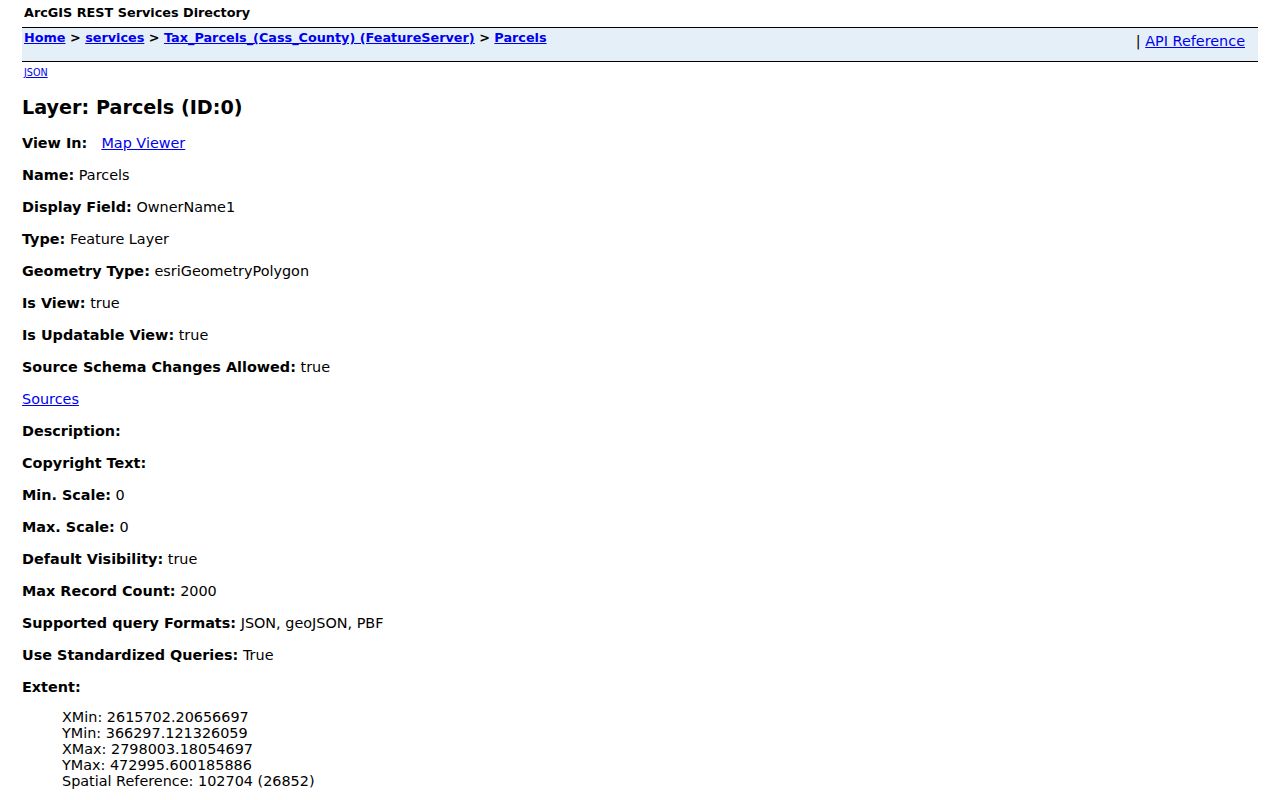
Those cross-check fields make a lookup far stronger. Their currency still has to be tested against the assessor and the newest recorded deed.
Why a Recent Cass Sale May Not Match
Timing explains many mismatches. County Equalization processes deeds on an annual May-to-April cycle. Local assessors build their rolls in January and February. Notices go out in February. Boards of Review meet in March. Reporting finishes around April or May, and the county publishes no fixed day-count for ownership updates. When sources disagree, compare the assessment year with the deed's recording date, since a deed recorded after the roll's snapshot can name a newer grantee.
Where Cass County Ownership Is Displayed
Cass County ownership facts surface in several official systems. Each one serves a purpose. Read them accordingly.
| Source | Owner Info It Gives | Access |
|---|---|---|
| BS&A assessment roll | Owner label, mailing address, parcel and values | County-linked search; $6 public-search notice |
| Register deed index | Latest grantee, instrument and recording date | Online portals or public workstation |
| MiBusiness Registry | Entity record and registered-office information | State business search |
| GIS parcel service | Owner and situs fields tied to geometry | Public county GIS ecosystem |
The owner of record, the taxpayer, the occupant, and the recipient of mailed notices can all be different people. A name on a parcel record never proves residency.
Confirm the Owner Through the Cass Register
The Register of Deeds closes the loop. The Cass County recorded-document page supports online systems, public workstations, and direct copy help, and its Keystone search offers Name, Date Range, Liber/Page, Document Number, and Parcel Number tabs. Results list both parties, the recording date, document type, parcel number, municipality, and related documents. Match the parcel or legal description. Then select the newest deed that transferred the property. Land contracts, mortgages, discharges, and easements are not deeds. If the portal fails, call 269-445-4464 or email clerk@cassco.org with the parcel, names, approximate date, and document reference.
LLCs, Trusts and Estates in Cass Records
Cass County assessment records sometimes name an LLC, a trust, an estate, or a fiduciary instead of a person. Run the exact entity name through the deed index. Then inspect the vesting language closely. Michigan's registry separates similarly named entities. Still, a registered agent is not automatically the property's beneficial owner. Trust details often stay limited. Probate or court records can explain who was authorized to transfer land, yet they never replace the recorded instrument. With a known case, use the Cass Probate file room, then return to the Register for the deed that completed the change.
Limits of a Cass County Owner Lookup
A public owner name proves no occupancy. It may miss equitable interests. It is no title examination either. Michigan's Address Confidentiality Program can give a participant a designated address and keep program details out of ordinary FOIA disclosure. Use Cass County property records lawfully, for purchase diligence, boundary questions, estate work, or contacting an owner about the land.
Lawful use. An assessment name is not proof of title and may represent an entity or trust. Never use owner information to stalk, harass, intimidate or harm anyone.